
What is new in Pelvic Floor Essentials Edition 5
The last edition of Pelvic Floor Essentials came out in 2022, which feels like yesterday, but it is actually 4 years ago. Therefore, when running low on book supply, I was reluctant to just do a re-print of Essentials Ed 4, and I knuckled down to update it.
However, the real push to do a revision came from reading this statement from urogynaecologist and anatomist Professor John DeLancey (et al) in an article published in 2024 and titled: ‘Pelvic floor injury during vaginal birth is life-altering and preventable: what can we do about it?
He says teaching women to avoid pushing against a contracted levator muscle would likely decrease injury risk by decreasing tension on the vulnerable muscle origin. (1). And I thought – we have been doing this for years, but I have never articulated this in my pregnancy book.
We also know there are many women who are more vulnerable to injury due to their particular anatomy. Those with a short perineal body length, those with a small genital hiatus and those who have increased-tone pelvic floor muscles. These are measurements that a pelvic health physiotherapist can do for you and inform your decision about mode of delivery and teach you strategies to decrease the risk of permanent pelvic floor injury.
I felt this should be something I include in to Pelvic Floor Essentials Edition 5 to enhance the chances for those women who want a vaginal birth to firstly understand how to seek advice and the assessment necessary to see what their risk is; what are the potential risks to their pelvic floor muscles and can they change their relative risk with some interventions they can do with the intial supervision of their pelvic health physiotherapist, their obstetrician and/or their midwife and then continue at home by themselves. Other Care Bundles have been included in the new book to decrease the risk of other negative birth outcomes.
I have also added some strategies to manage period pain and revisited the bowel chapter to help with effective bowel management. Constipation and difficulty passing a bowel motion are common. So many women who come into clinic have dyssynergia – a lack of coordination when passing a bowel motion (tightening instead of relaxing) and I am sure this relates to the amount of increased stress and anxiety prevalent these days due to so many factors – financial and psycho-social included. Life is just hectic these days. Poor diet, low in fibre also contributes to poor bowel health and this is discussed at length in the book.
If you have already read Essentials Edition 4 there will definitely be new information for you in Pelvic Floor Essentials Edition 5.
If you have finished having children, and approaching or gone through menopause when bladder and bowel issues start to appear, either book will be useful to you (not both). If you have prolapse or urinary incontinence, and you are wondering what may be involved with surgery, it may be useful to buy Pelvic Floor Recovery Edition 5 should you need surgery in the future. The children’s chapter in Essentials Edition 5 on toilet training is helpful for mums, dads and grandparents as many of our problems as adults start with painful defaecation as a child.
My history of writing my books: How it all started
When I look back to what prompted me to start this journey of writing my books on women’s pelvic health, it was really about making my life easier when teaching women the strategies that may assist with their preparation, their hospital stay and hopefully, improving their outcome with either their recovery from hysterectomy or gynaecological repair surgery. I was sick of writing the instructions over and over again and I had thought for many years: ‘Could I write a book about it?”
In 2011, I then had a false alarm about my own ‘women’s bits’ health issue and on that weekend while I waited for my exploratory investigation on the Monday, I started tapping out everything I felt important to say on the computer. That was 2011 and Edition 1 of Pelvic Floor Recovery: Physiotherapy for Gynaecological and Colorectal Surgery was written. Thankfully, the investigation had a good outcome, but my new baby (my first book) was born and it has gone on to have 10 more siblings!
Pelvic Floor Essentials and Pelvic Floor Recovery Books
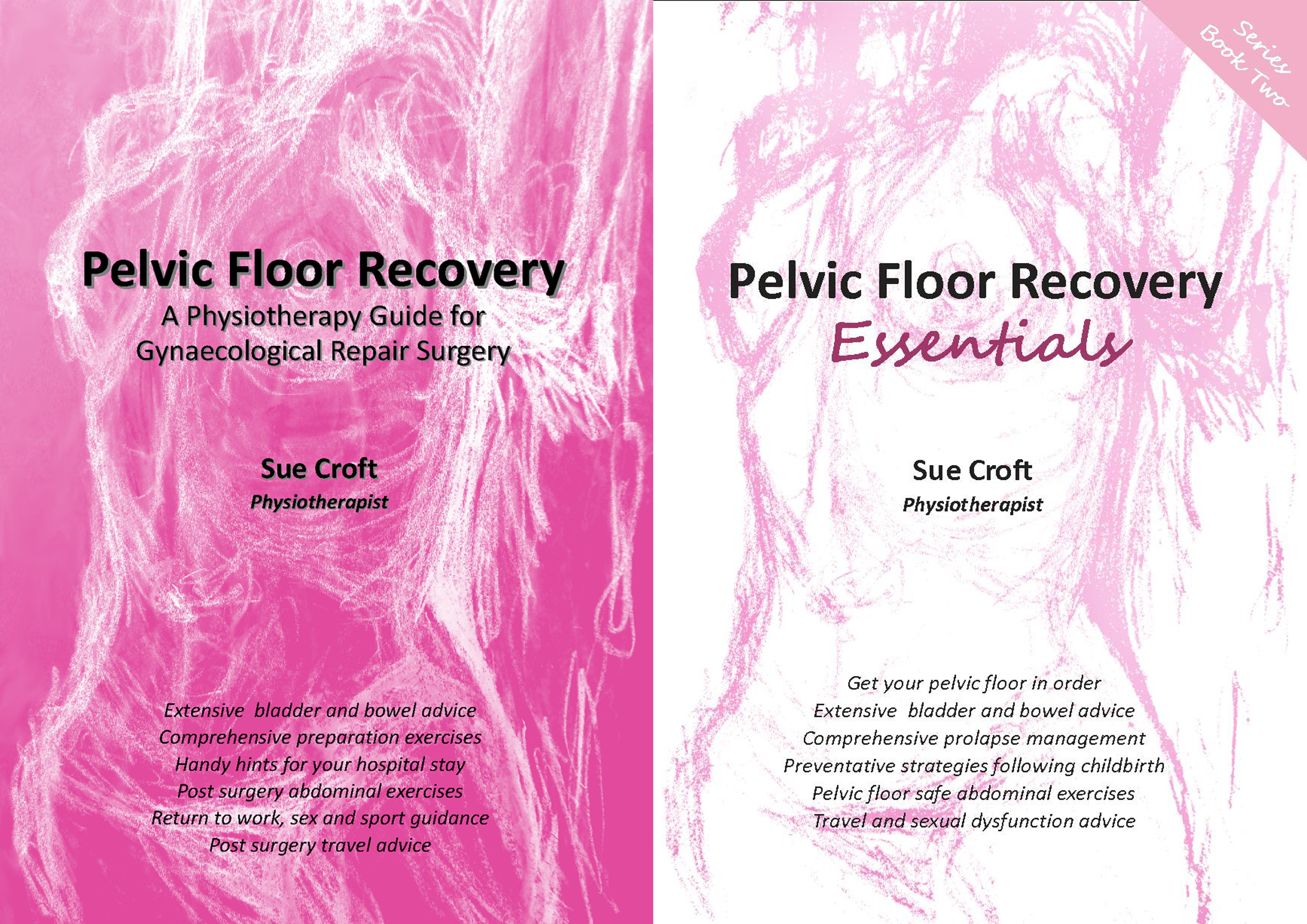
The first editions of my books
Yes its hard to comprehend that there have now been five editions of Pelvic Floor Recovery and five editions of Pelvic Floor Essentials, with the arrival last week of Pelvic Floor Essentials Edition 5. There has also been the German edition of the surgical book which is called Beckenbodenrehabilitation. This was perfectly translated by Alexandra Schaefer, a lovely and clever pelvic health physiotherapist who worked with me, who has since returned to Germany. She has flourished in her own practice in her home town and also taught pessary courses to many European physios.

Alexandra Schaefer
Integral to all of the productions of these books has been my husband of almost 48 years, Bob. The illustrations, the assembling of the books so they can go to print, the websites and sales all are handled by Bob and I thank him for his dedication to keeping this going for 15 years. If you have purchased a book from me, Bob has been the one sending it out. It has been a lot of work for both of us, but his technical expertise has been very important for the books’ survival.
Pelvic Health Physiotherapy in 2011
When I started working in women’s health in 1988, pelvic health physiotherapists were few and far between. Even when I think about the pelvic health environment back in 2011, it was completely different to now. Pelvic health physios often worked in solitary workspaces – I know I had a sense of isolation even at that time.
However, it was just the start of social media and my daughter who works in PR valiantly tried to teach me about Twitter and how to post about things. I started my blog and so started the complication of attempting to understand technology and social media and how to get the most out of its ability to travel across vast distances within seconds. I thank Katie for her patience.
It was the start of the floodgates opening across the next few years and suddenly the isolation diminshed and the world seemed smaller as we could become friends across the oceans and discuss cases easily with colleagues in different continents, expanding our knowledge and improving the dissemination of information for women and their pelvic health.
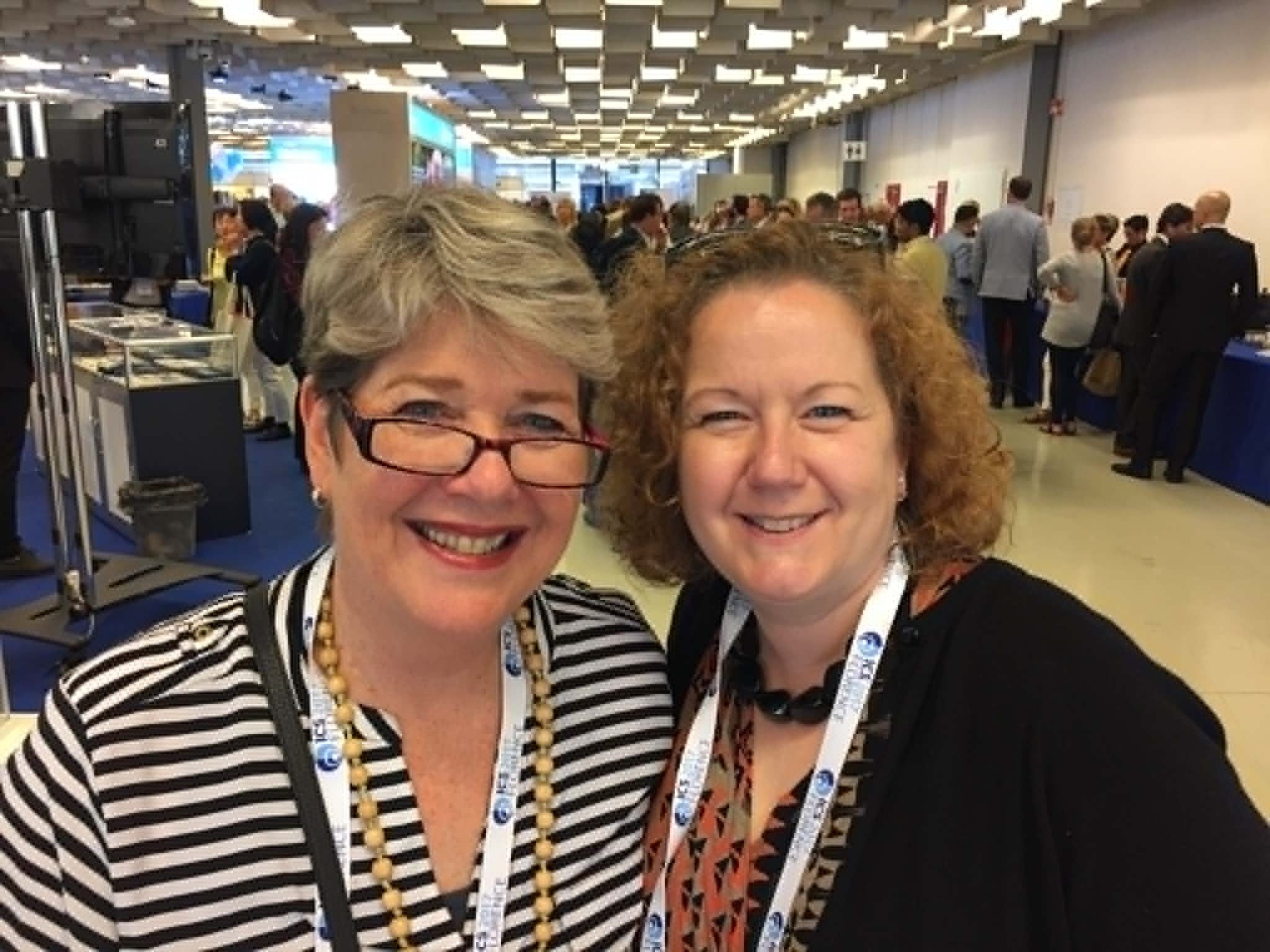
After communicating for years on social media, Michelle Lyons and I met for the first time face-to-face at the ICS Conference in Florence in 2016.
At that time, a leader in education emerged. Taryn Hallam through her Women’s Health Training Associates used her extraordinary skills to do deep dives into pelvic health research and then started teaching Australian physiotherapists what she had found. Importantly, the information was immediately transferable into the clinic setting. Do a course on the weekend, implement changes on Monday morning.
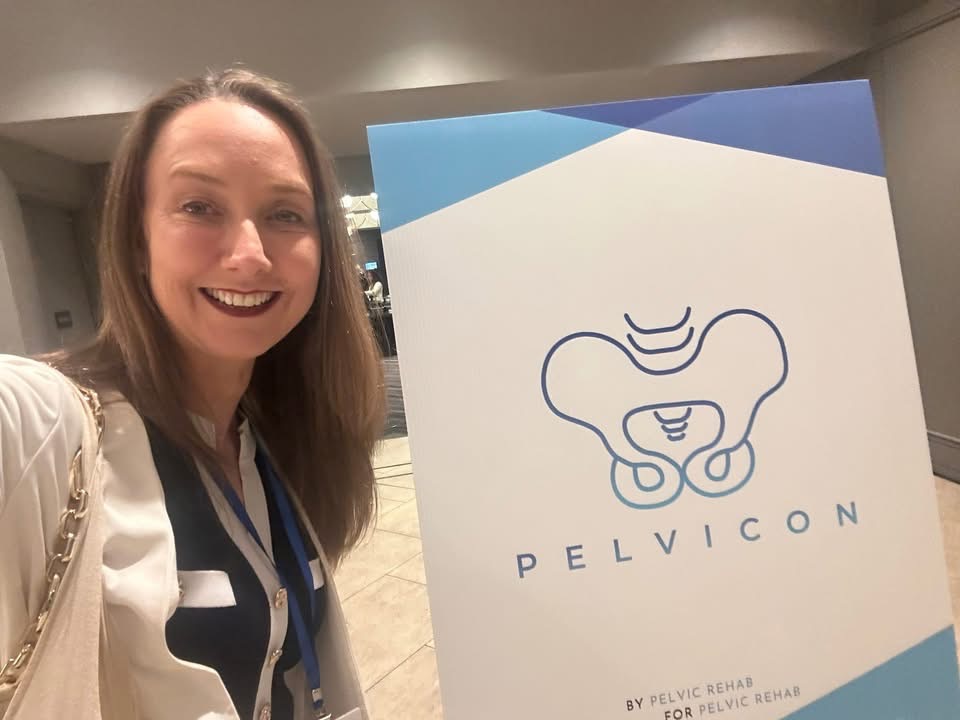
Queen Taryn (Hallam)
Taryn broadened our critical thinking skills with regular research updates – alternating on different topics as the years went on – and challenged us to understand research better. For many of us the face-to-face conferences were catch-ups we all eagerly looked forward to. The last one we had was a weekend at North Sydney and Taryn made the social function all about celebrating the special Natalie McConochie’s 40th birthday. She arranged for us to have a masked ball at Luna Park and Vivid was on in Sydney – it was a special and memorable night (as though it was preparing us for something unfathomable to come in the future).
We all know what happened. 2020 saw a cataclysmic event (COVID) which meant our large conference gatherings were a thing of the past (for quite a few years), but what happened as a result of all of us pivoting to Telehealth for our patients, was we all pivoted to Zoom learning for our Professional Development.
And no one did it better than Taryn. What this meant is that many of our pelvic health colleagues from around the world were able to log in to Taryn’s Australian courses and true to her indefatigable energy, she then followed up with practical workshops in many overseas countries. Now literally thousands of pelvic health physios worldwide have done one or many of Taryn’s courses.

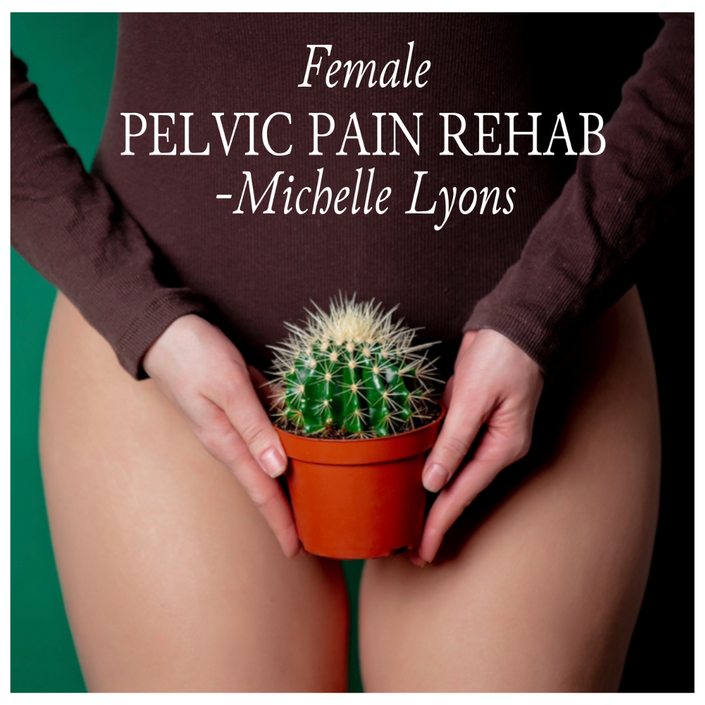
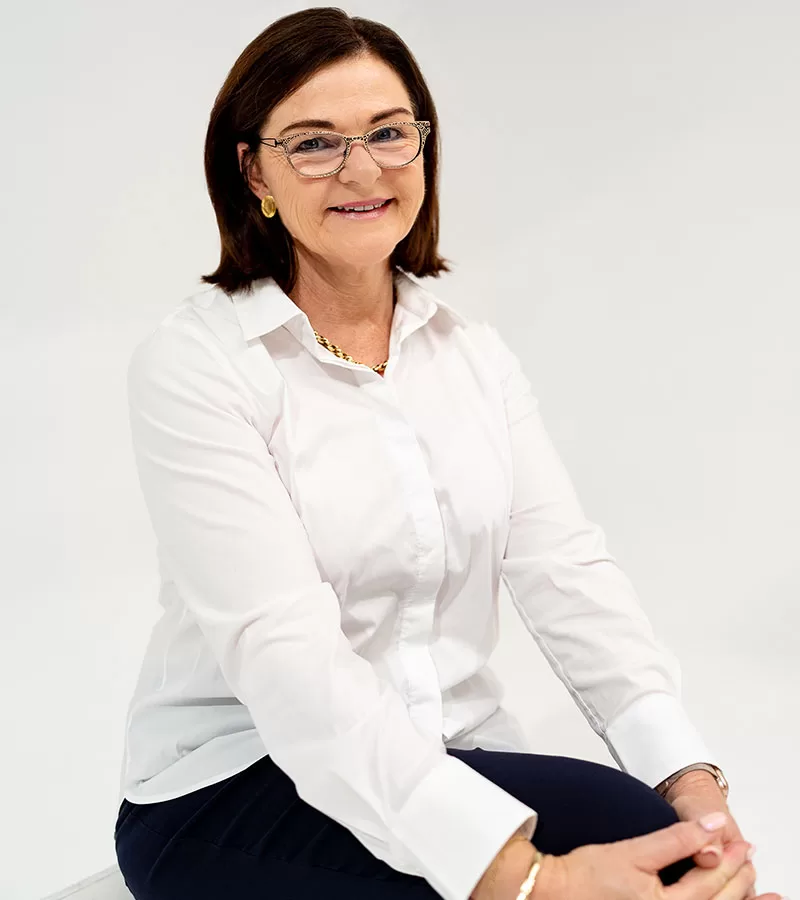
Carolyn Vandyken, Michelle Lyons, Fiona Rogers all have online courses for learning
Of course there are many fabulous online courses by other pelvic health physiotherapists with amazing skills and it makes obtaining our Professional Development hours easy to achieve, without even getting out of our pyjamas on some days, but I do think Taryn’s contribution to the pelvic health physiotherapy profession world-wide has been extraordinary.
However, I also blame her for the fact I am now up to Edition 5 of both books. Everytime I do a research update, I think ‘Oh dear, I now have to change that in the book!’ But as I say in my chapter on Change in my books:
Never stop learning, like never stop changing and growing in your life – learning helps you adapt to change more easily” Author unknown.
Change is important to embrace. Acknowledging that things do change with research and implementing a change in your practice from before is critical. It is beholden on all of us who work in pelvic health to make sure we are always teaching relevant and up-to-date information to our patients.
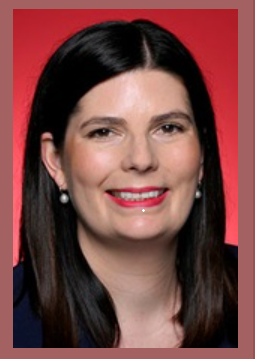
Senator Marielle Smith
The other profound change in the energy around Women’s Health is the uptake and interest by government and members of Parliament after years of tireless campaigning by women. First it was the National Action Plan for Endometriosis launched in 2018, then the Government-funded Endometriosis and Pelvic Pain clinics across all of Australia following the 2022-2023 Federal Budget and now there is a Senate Select Committee in Australia on Women’s Health chaired by Senator Marielle Smith looking at best practice approaches to ante and post-partum healthcare. Read the link to this Senate Inquiry as it looks very comprehensive.
So as an old (literally) pelvic health physiotherapist, I launch this 5th Edition of Pelvic Floor Essentials with pride and relief because I do like the books to feel current and helpful to patients, physiotherapists, doctors and nurses working in the area of pelvic health.
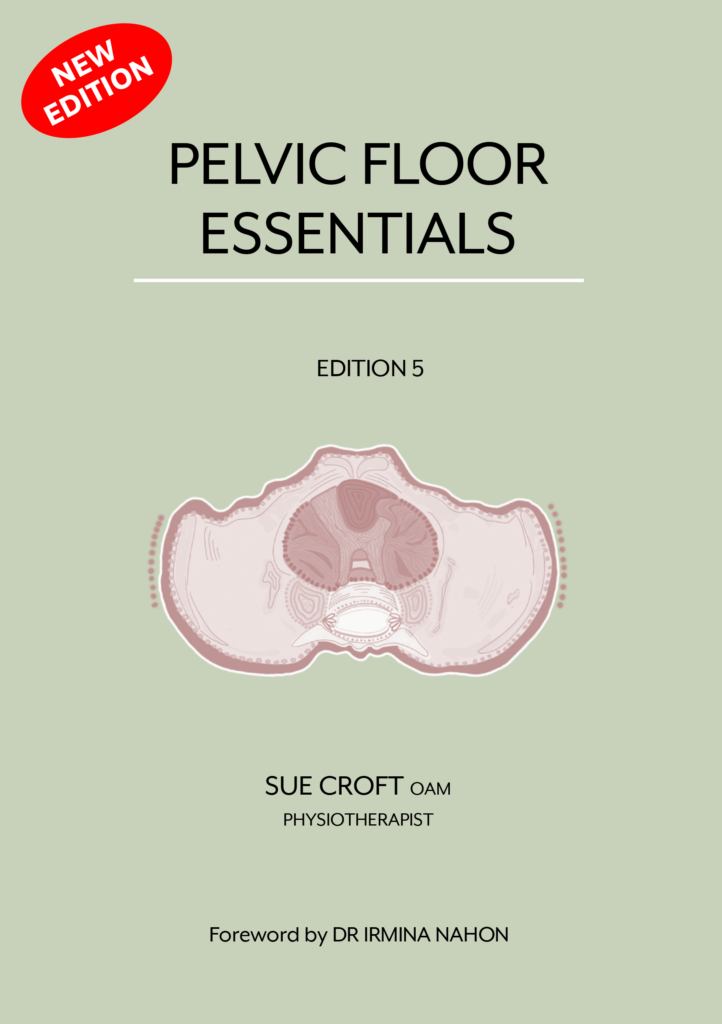
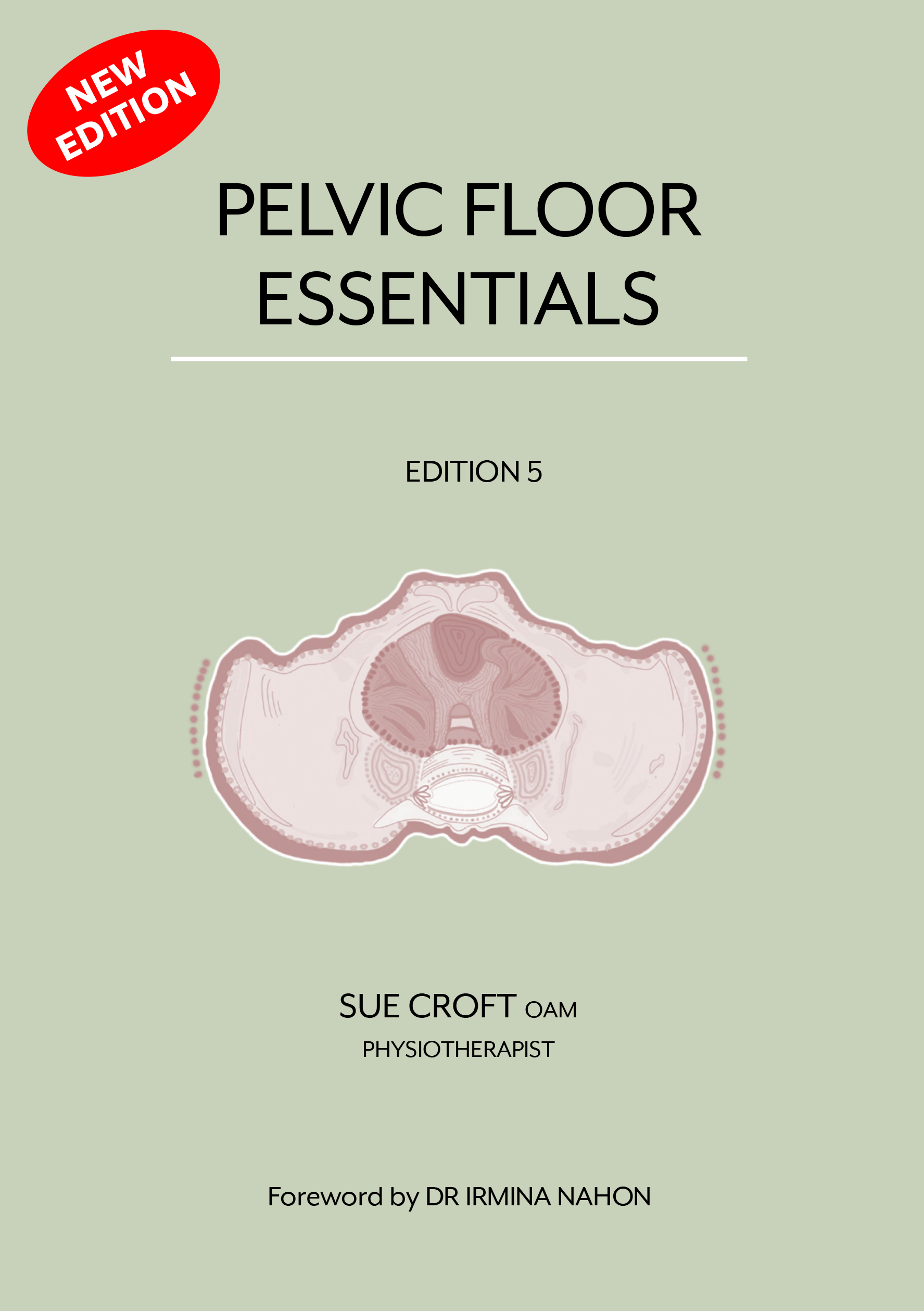
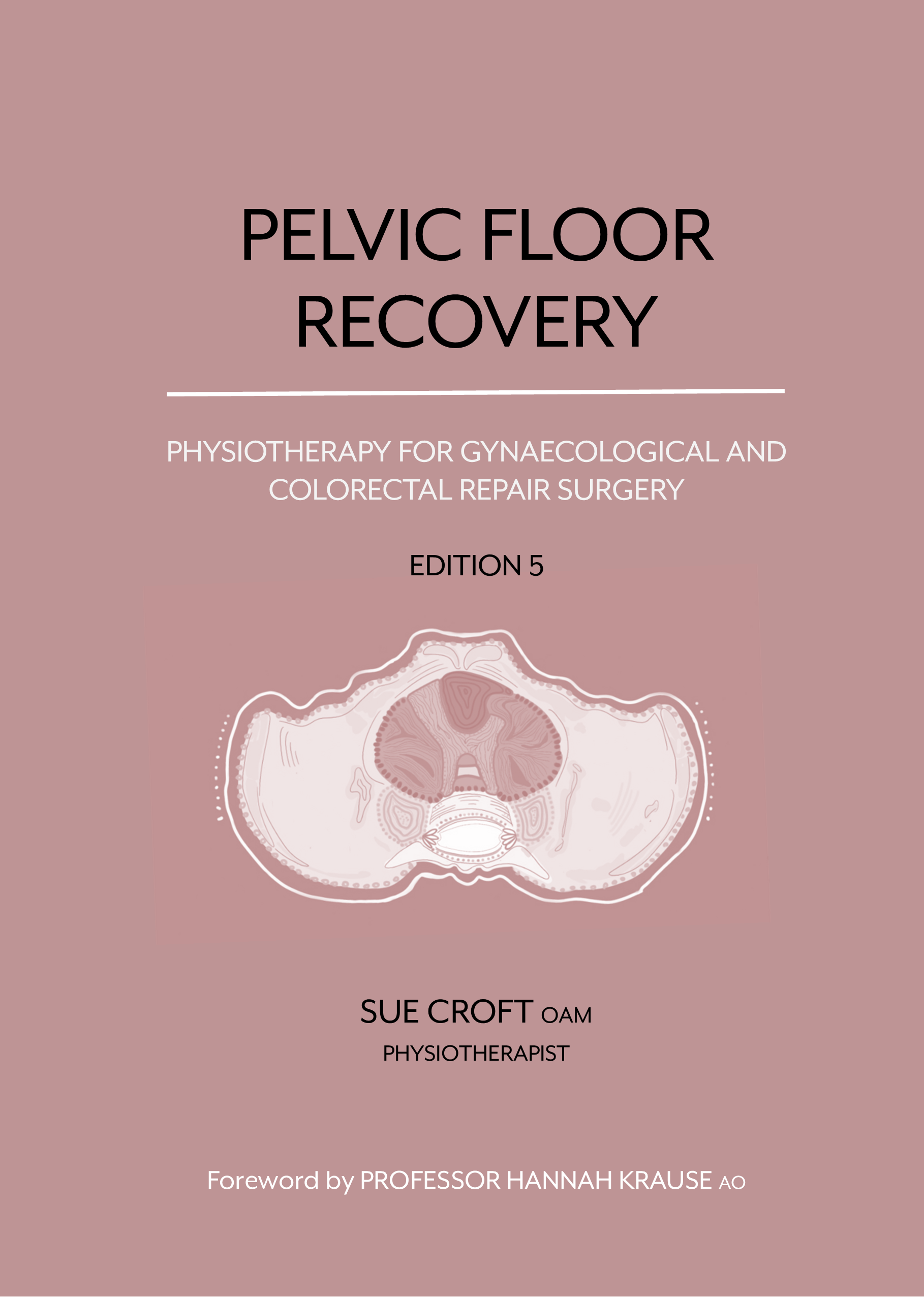
I also love that both books have new cover designs with lovely new colours and the beautiful artwork by Indigenous Artist Arabella Walker of a pelvis with pelvic floor muscles that have sustained a levator avulsion injury on them.
I hope these books help women live a happier life with less pelvic floor dysfunction due to reading my books.
References:
(1) DeLancey J, Masteling M, Pipitone F et al (2024) Pelvic floor injury during vaginal birth is life-altering and preventable: what can we do about it? Am J Obstet Gynecol: 230(3):279-294.e2