
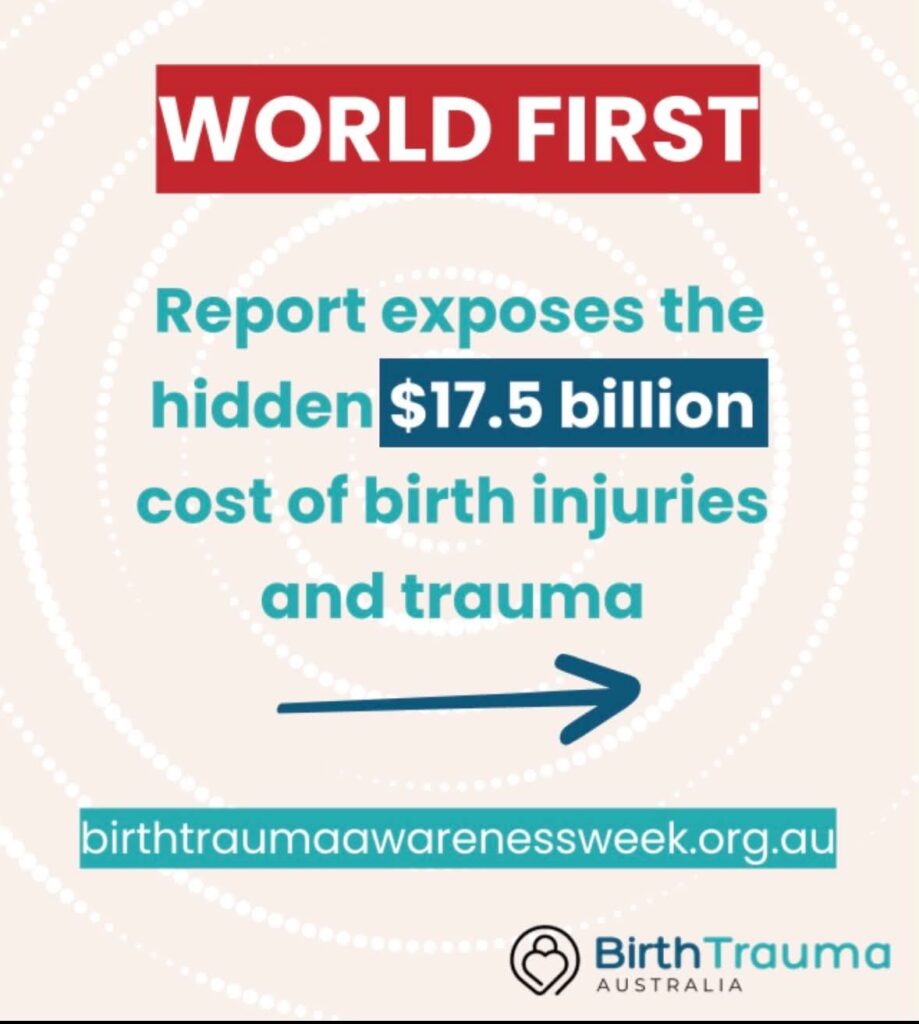
What is Birth Trauma Awareness Week?
This week is Birth Trauma Awareness Week and as a pelvic health physiotherapist who has worked in the area of Women’s and Pelvic Health for 38 years, I am so grateful that this ‘week’ is now a regular on the calendar so that Birth Trauma can now be acknowledged to have profound consequences for the mother (and/or father) who has suffered from the birth experience they have had.
What is Birth Trauma Australia?
Birth Trauma Australia (BTA) is Australia’s peak charity dedicated to the prevention, diagnosis, and treatment of birth-related trauma.
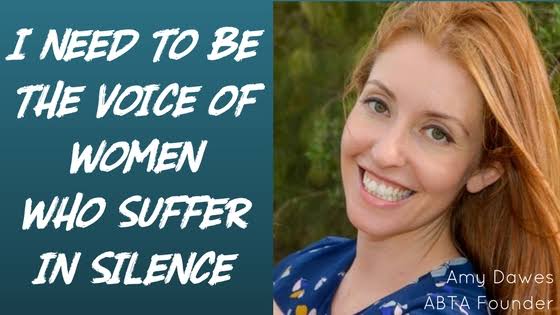
Amy Dawes OAM who is the founder and CEO of the charity Birth Trauma Australia
Founded in 2016, by Liz Skinner and Amy Dawes OAM, and with the support of Professor Hans Peter Dietz, Birth Trauma Australia brings together peer support, consumer advocacy, health policy, research translation, and clinician education, operating a 5,000+ member peer support community and delivering nationally accredited CPD training for clinicians through its ThinkNatal™ eLearning platform. BTA’s vision is for safer births and better healing.
As a committed advocate for a multidisciplinary approach to maternity care, BTA actively collaborates with diverse health professional groups and highly values each group’s unique contribution and strong commitment to maternity care. Through these partnerships, BTA aims to enhance their services and provide comprehensive information support to birthing families.
Types of Birth Trauma
Birth-related trauma includes any injury or trauma, whether physical or psychological, sustained at any time in connection with pregnancy, labour or childbirth. This definition is intended to be broad.
If you jump on this link there is a list of some of the physical injuries that may happen.
Birth can sometimes be frightening and even traumatic; this is known as psychological birth-related trauma. Some people think trauma feels like too big a word and that they shouldn’t be traumatised. We want you to know that if your birth experience felt traumatic to you, then it was. (From the Birth Trauma Australia website)
Birth Trauma Awareness Week is an annual campaign dedicated to reducing the stigma surrounding traumatic childbirth and providing support to affected families. It is a vital movement because approximately 1 in 3 birthing parents experience birth as traumatic.
- Psychological: Includes postpartum PTSD, postnatal depression, and anxiety (PNDA).
- Physical: Includes severe perineal tears, pelvic floor muscle or nerve damage, and bladder or bowel injuries amongst many other possible injuries.
- Subjective: Trauma is determined by how the experience affected you, not just what happened on paper. You can have a healthy baby and still carry emotional wounds from feeling frightened, unheard, powerless, or alone.
- Mental Wellbeing: Long-term struggles with confidence, safety, and flashbacks.
- Relationships: Strained partnerships and challenges bonding with the newborn.
- Financial & Social: High costs for medical/physiotherapy/psychology expenses, lost career opportunities, and social isolation.
Economic Impact Study on Birth Trauma in Australia
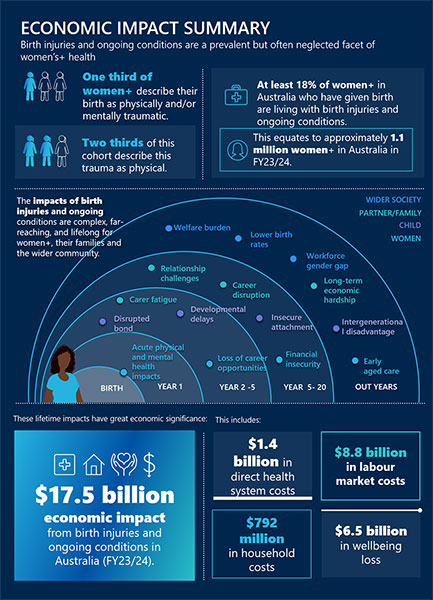
I am very privileged to know the two women who were instrumental in getting this impact study funded, executed and published. Amy Dawes OAM (the CEO of BTA) and Lyn Leger felt passionate about exposing the financial impact of birth trauma. This report prepared by Nous Group, provides the first national analysis of the economic impact of birth injuries and ongoing conditions in Australia.
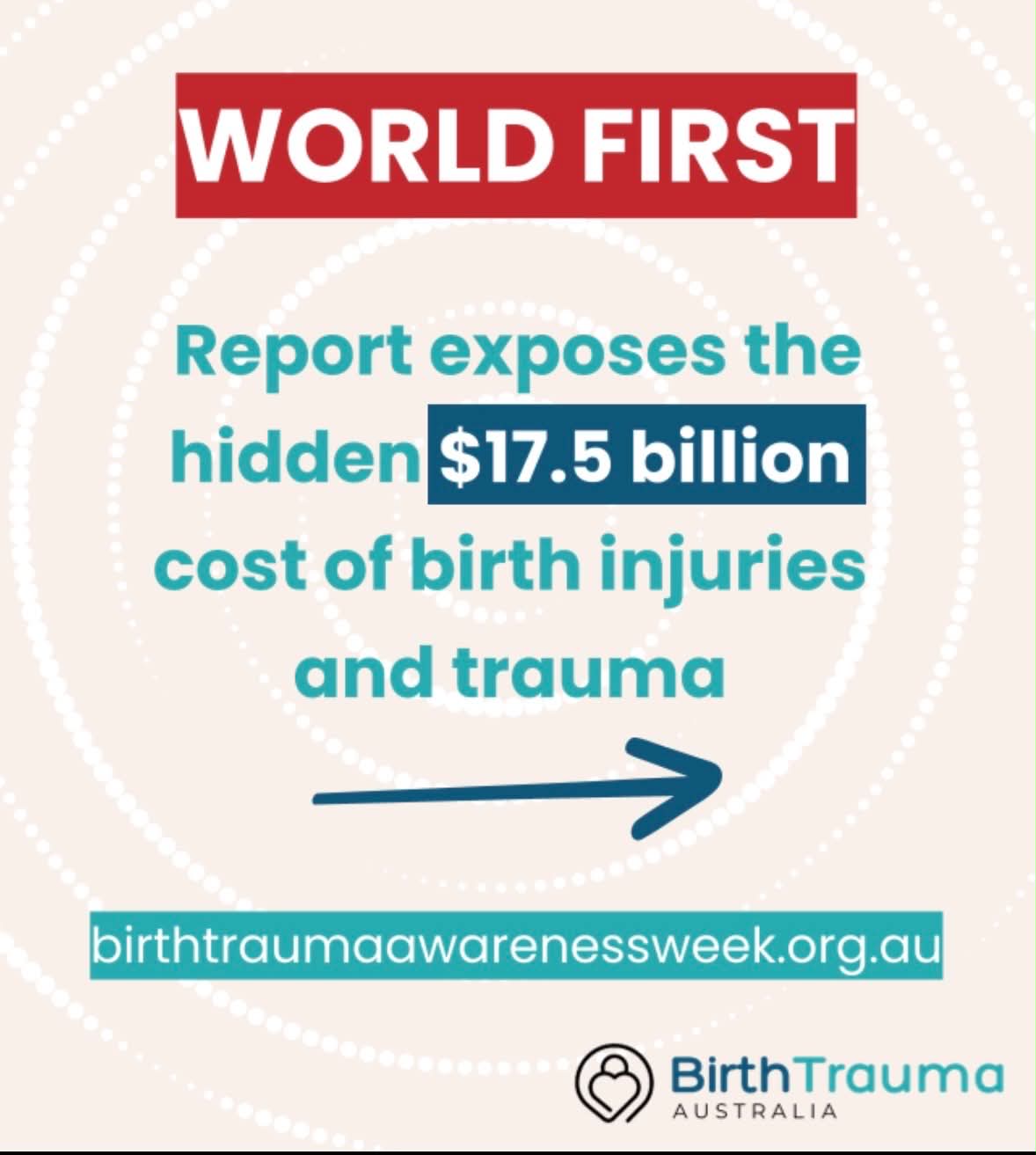
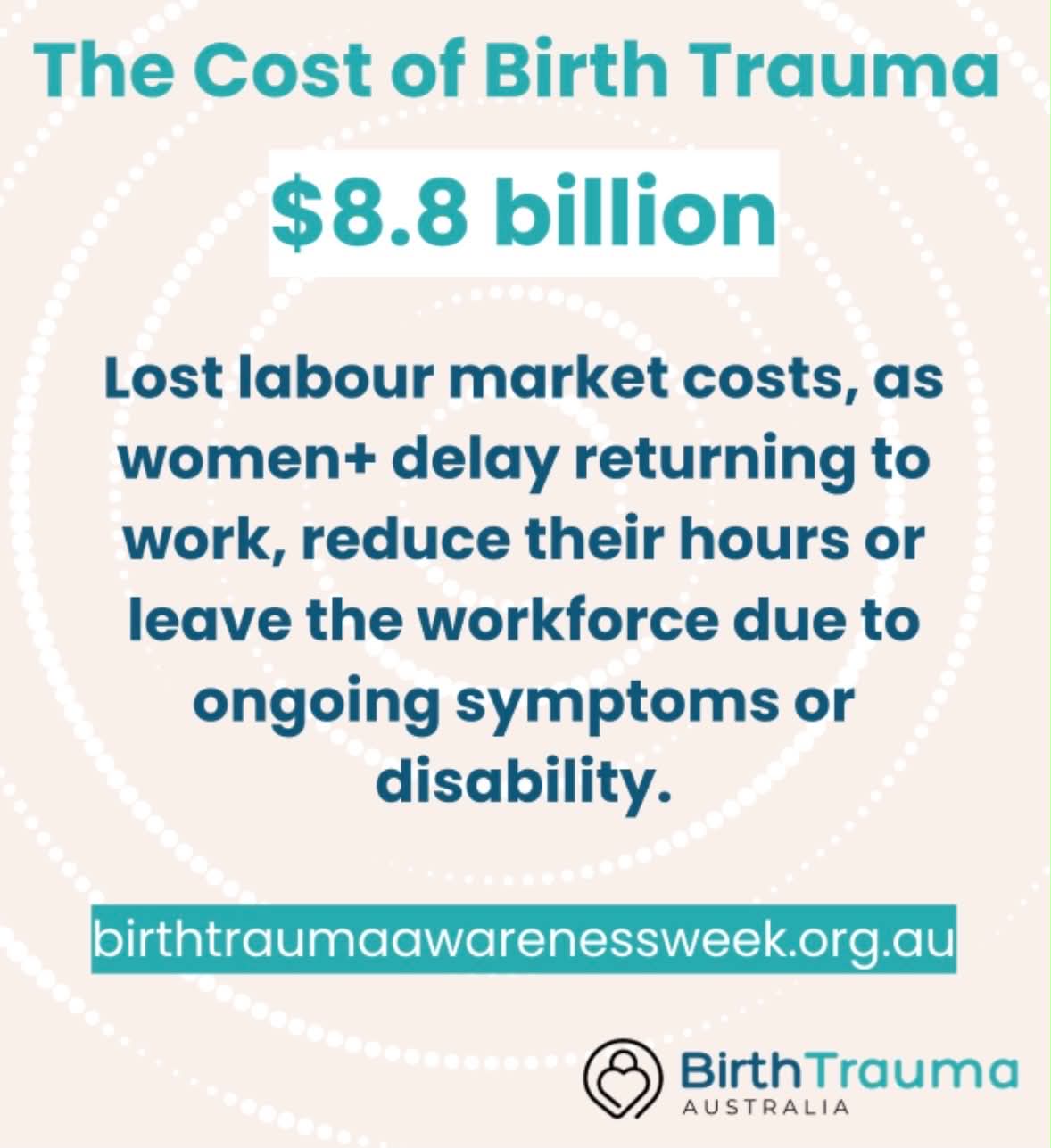
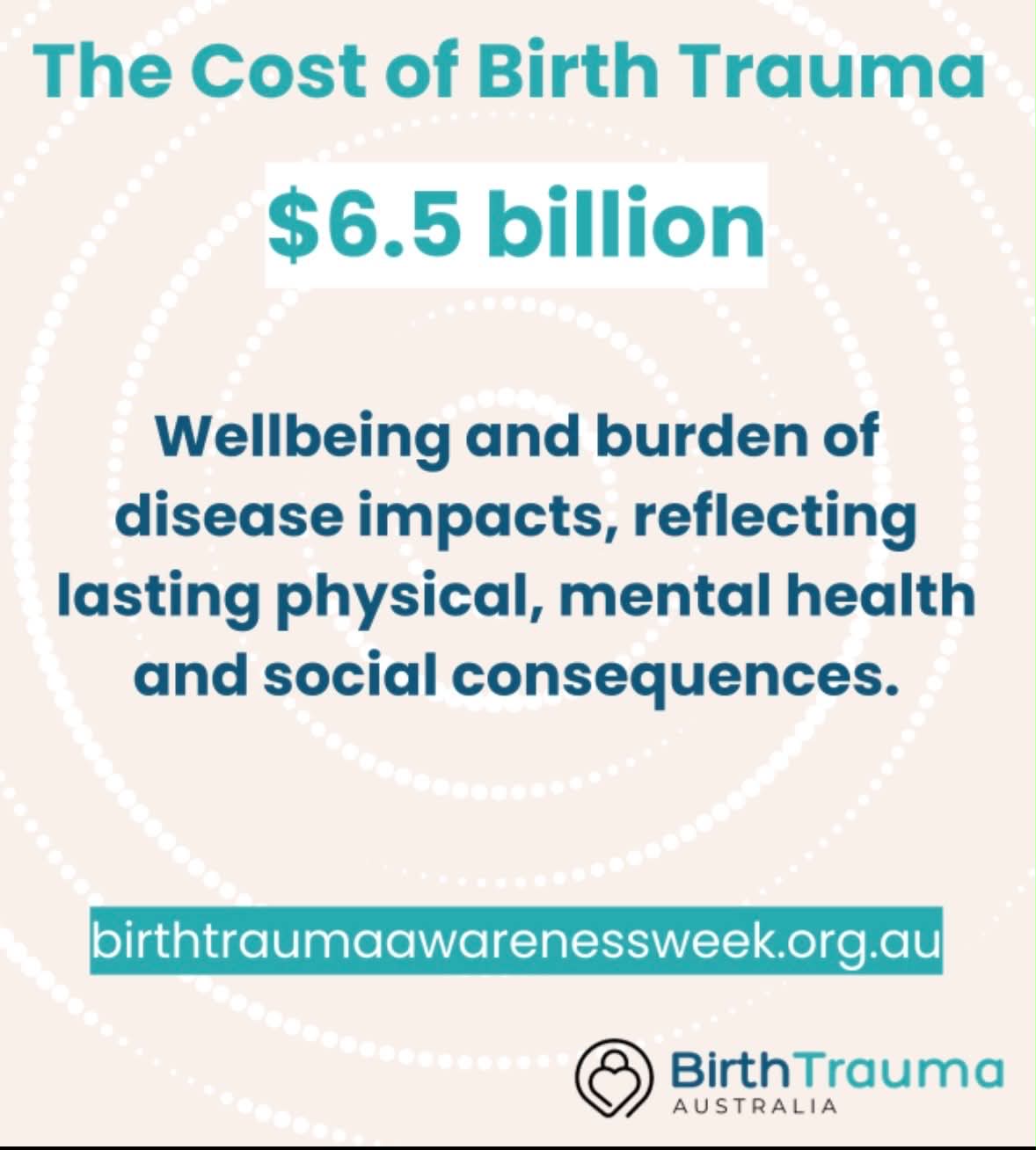
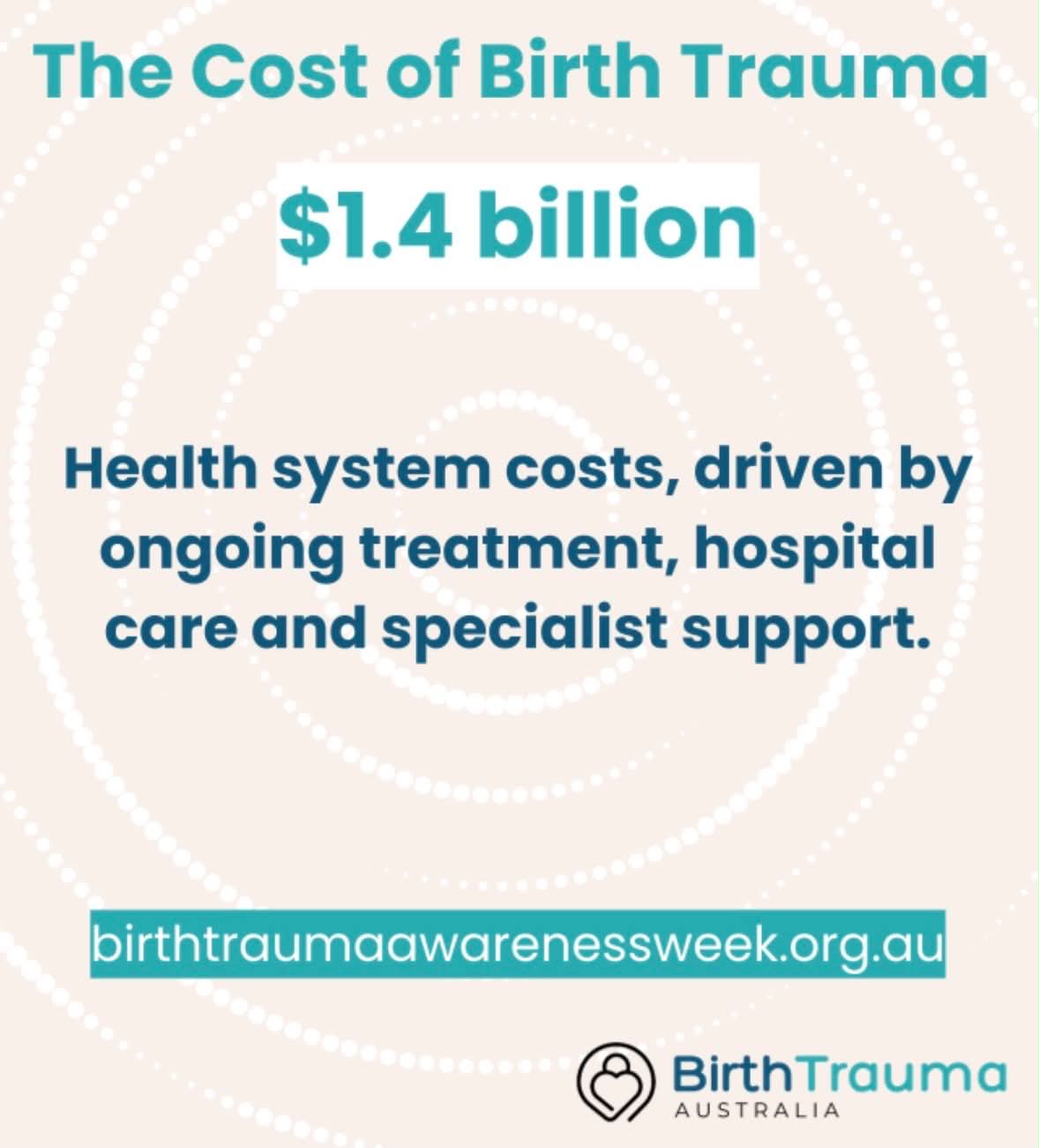
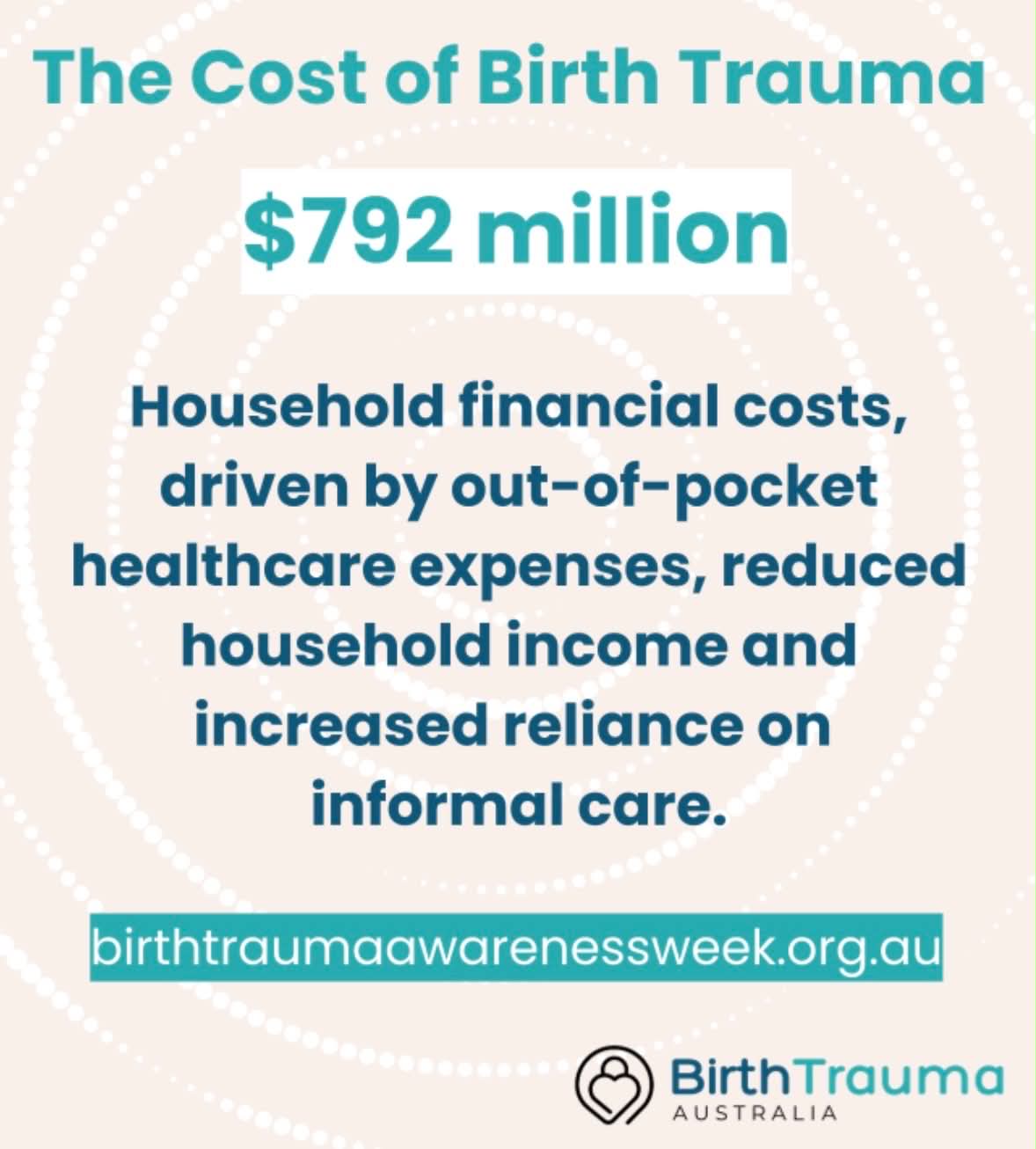
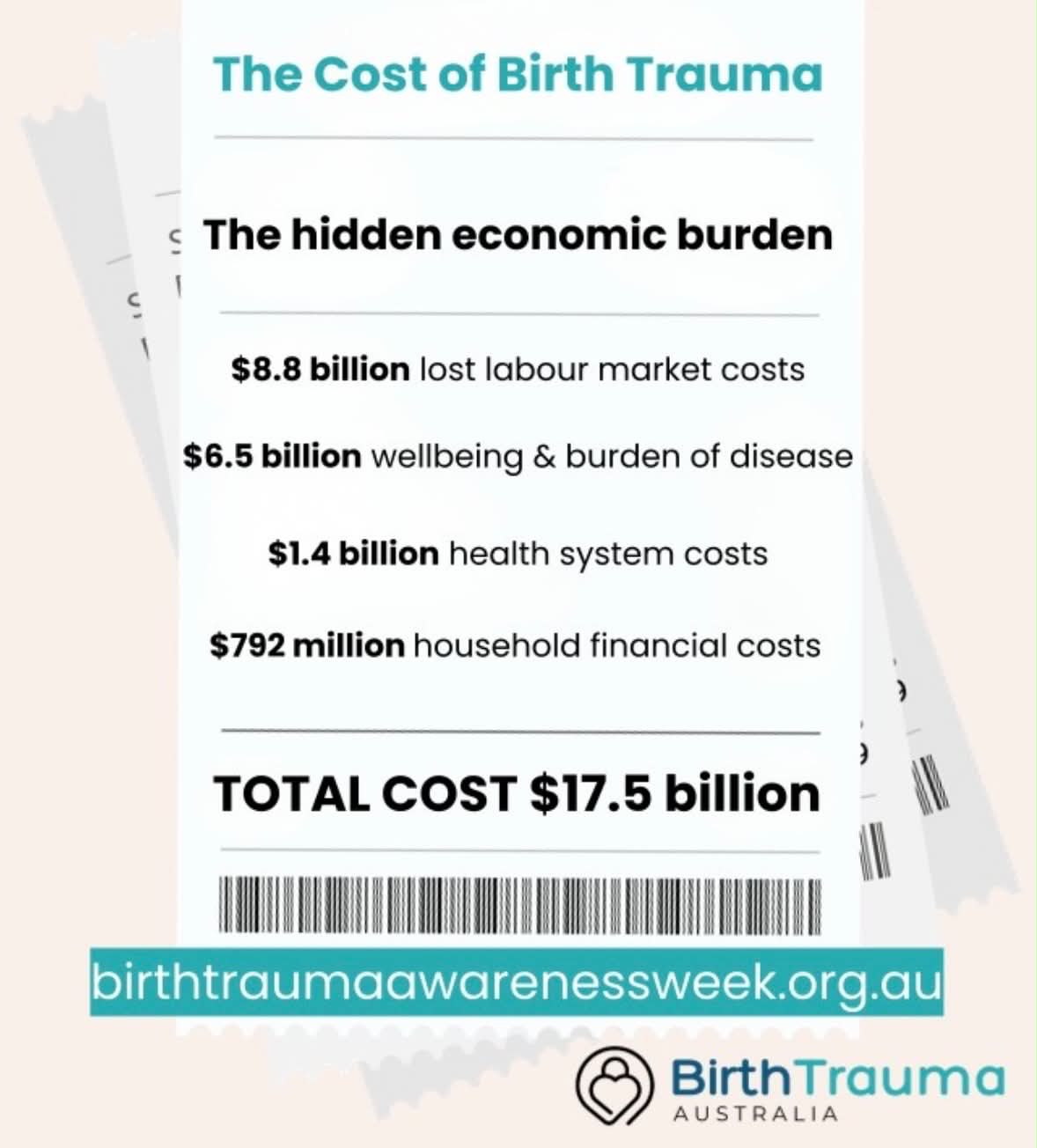
It aims to quantify the scale of the economic burden and strengthen the evidence base for investment in prevention, treatment and postnatal care reform. Amy and Lyn have completely driven this report which has shown that Birth Trauma costs the Australian economy $17.5 billion per year. These are staggering statistics. However the report was only looking at the financial costs up to 6 weeks post-partum, which of course misses an enormous amount of data – for some women the loss is a lifetime burden.
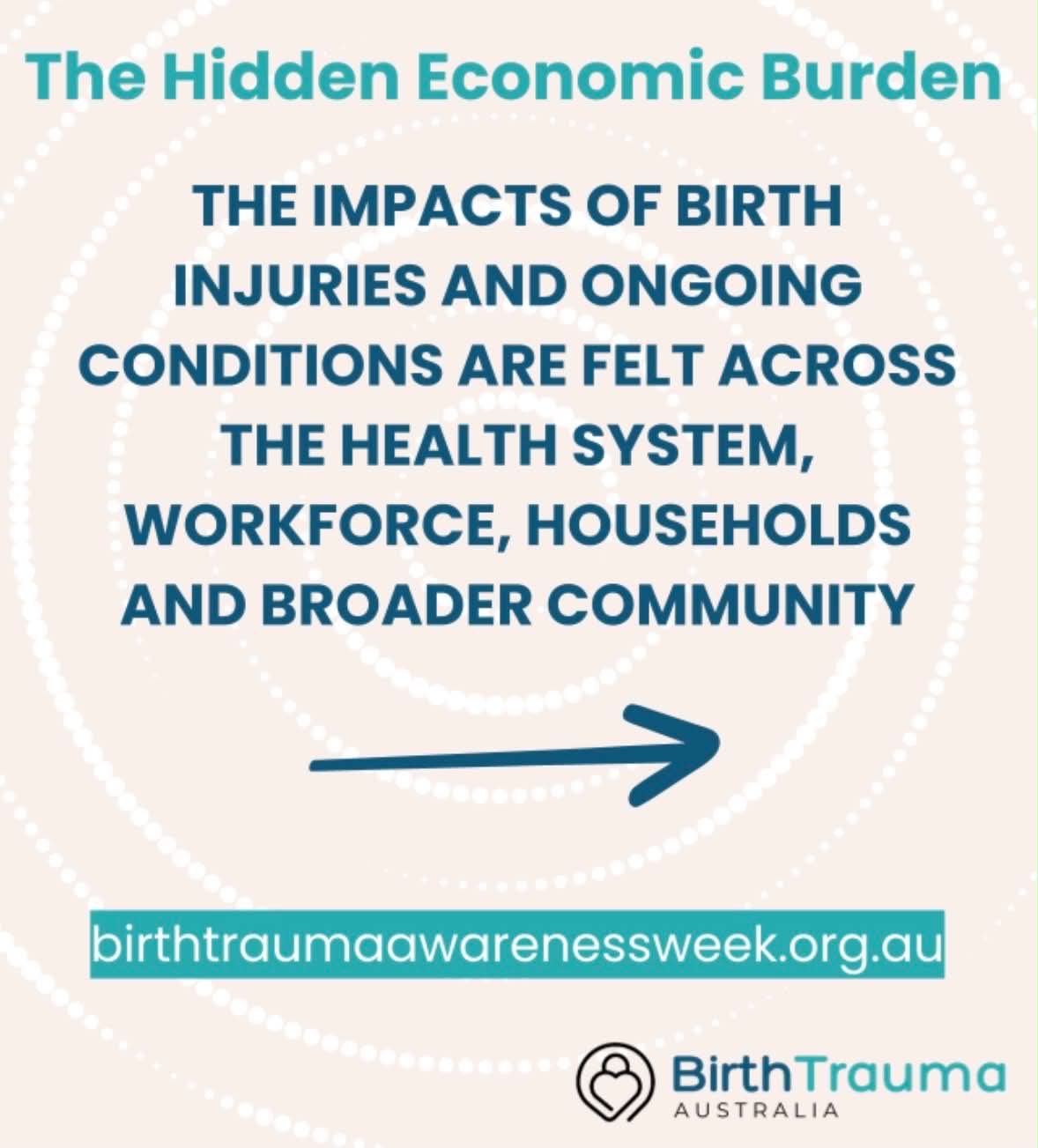
Now rather than write a thousand words, I thought I would pop in the images from BTA’s Instagram post which summarise the profound statistics in this report.
- Birth Trauma Australia: Provides educational resources, information, and free peer support.
- PANDA (Perinatal Anxiety & Depression Australia): Offers a national helpline, resources, and community volunteers for parents.
- Gidget Foundation: Provides specialized support programs for emotional wellbeing during the perinatal period.