
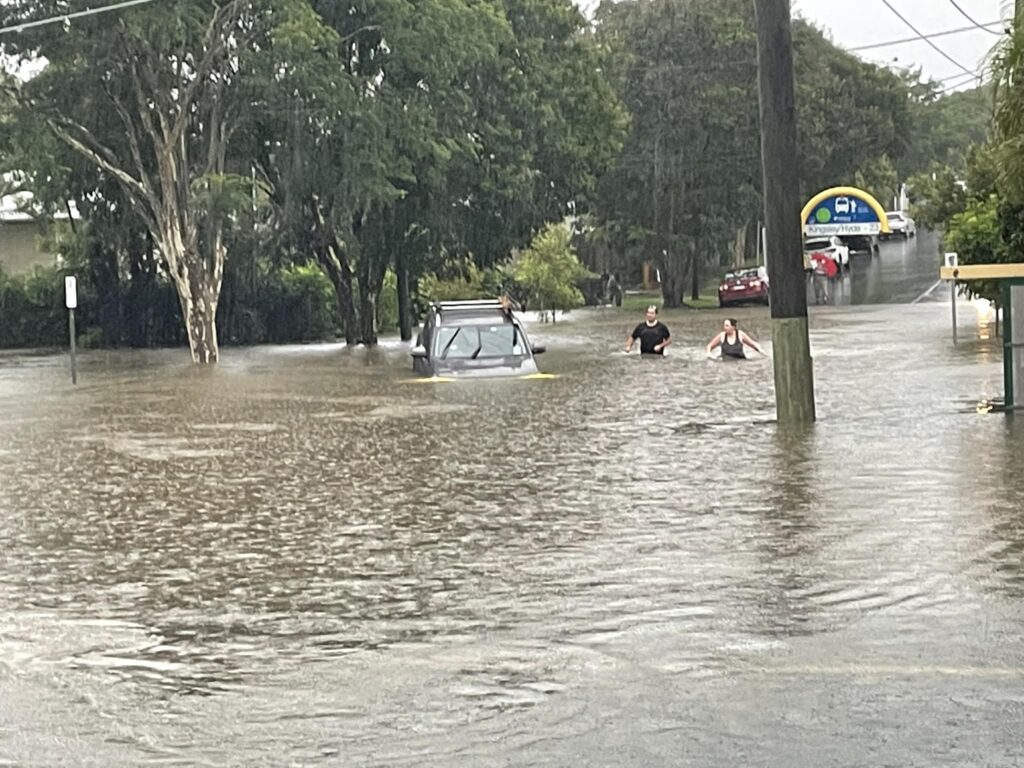

Merry Christmas and a Happy New Year from Sunshine Beach 2025/26
Merry Christmas and a Happy New Year
I have well and truly missed the Merry Christmas and a Happy New Year timing for my blog for 2025.
This was a genuine reflection on how busy things were at the end of the year. We had a wonderful wedding at home when my son married his partner. They requested it be at home which Bob and I happily agreed to and it turned out to be a wonderful afternoon and evening.
It was simple and low-key and our house and garden looked beautiful thanks to a magnificent effort from Bob (and with oversight from moi) and a lot of visits to Bunnings. If Bunnings profits are up for the September to December quarter you know why. I love having ‘event’ at our house because long-held desires of mine often come to fruition.

There can never be enough lights
The wedding day was blisteringly hot – like most of Brisbane’s and Australia’s temperatures have been since about October 1, 2025. We were grateful it was just hot and sweaty, not pouring with rain, as rain would have spoilt the ambiance of the wedding considerably. This wedding day was a ‘sweat like you’ve never sweated before’ day for me and made me reflect on the state of our climate for the fourteenhundredth time.
The Climate
I would have said I am generally a person who doesn’t sweat a lot, but I am writing this blog with my arms slipping around on the table as I type on the computer due to the sweat pouring off me in the airconditioning. We have just returned from our Saturday morning walk and it was disgustingly hot. I am truly drenched. The temperature is 33.3C with the Bureau of Meteriorology reporting that ‘it feels like 36.9C’ with a humidity reading of 66%. That is nothing compared to the rest of Australia.
The major cities and regional and inland Australia have endured day after day of relentless heat and unpredictable storms this summer. And of course most of the world will have heard about the devastating bush fires in regional Victoria running concurrently with torrential downpours causing unprecendented flash flooding across the iconic Great Ocean Road at Lorne, Victoria. All in the same 24 hours.
Climate Conversations
The most unusual thing I believe about Australia is through all of this we are STILL having crazy conversations about the climate crisis and climate science. These crazy conversations come from politicians who are selfishly following a path of denial causing havoc with decisions about how to tackle this major catastrophe of global warming.
It reflects badly on our nation.
It messes with business decisions.
It undoes the confidence the nation’s people have in scientists.
It shows that greed never has a limit even in very wealthy people.
It beggars belief.
The interesting thing when these politicians just OPPOSE for the sake of opposing (their perceived job description when being members of the Opposition) is they never think about the horrific cost to our financial bottom line when these disasters strike month after month during the past decade of summers.
They never talk about the social upheaval it causes. They never talk about the burden of having a house that has become uninsurable. They never talk about the lost memories when fire or flood strikes these communities.
And do they contemplate the burden we leave our children and grandchildren, the loss to the natural world and the big one – the effects on our actual health and well-being?
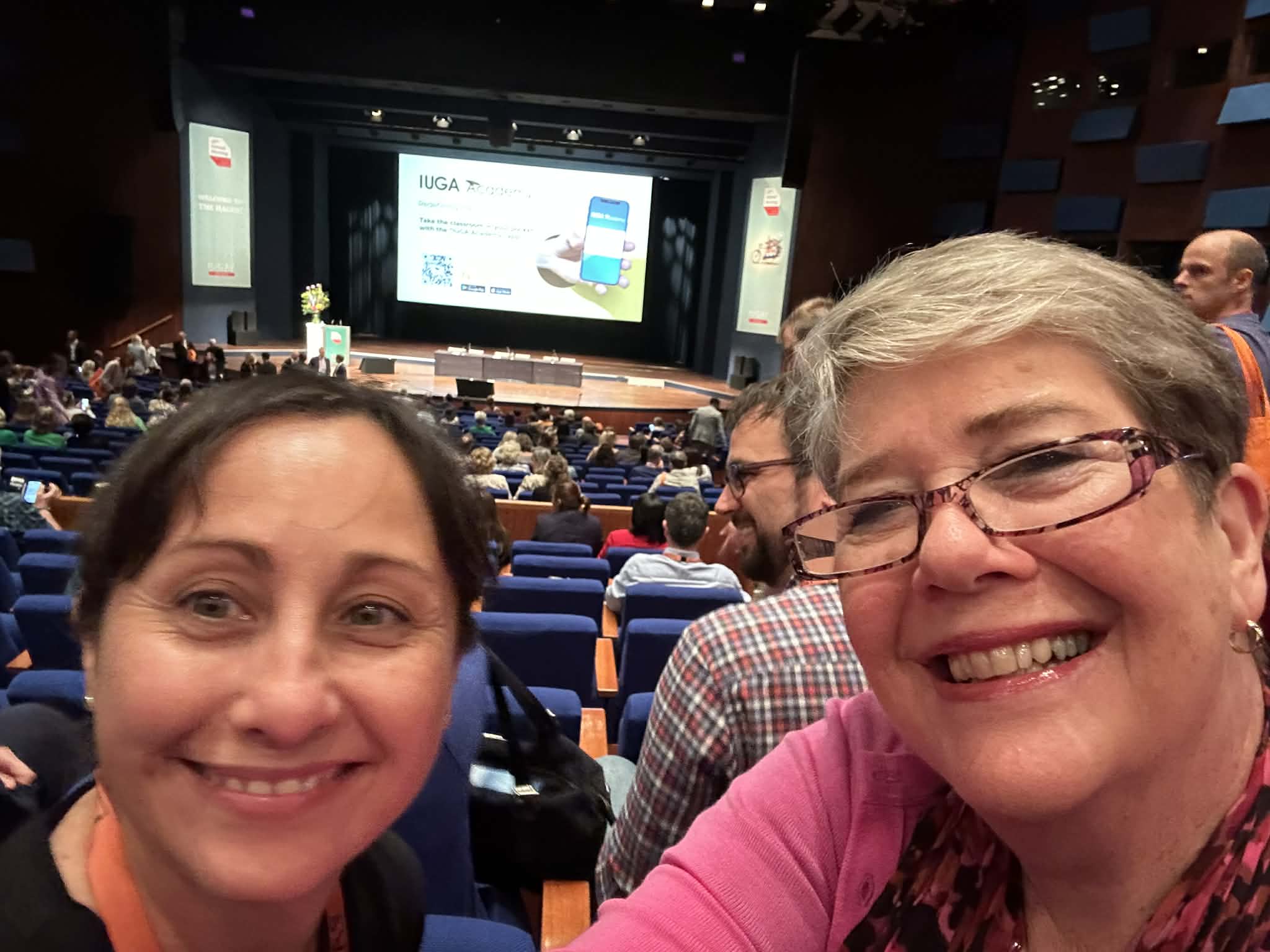
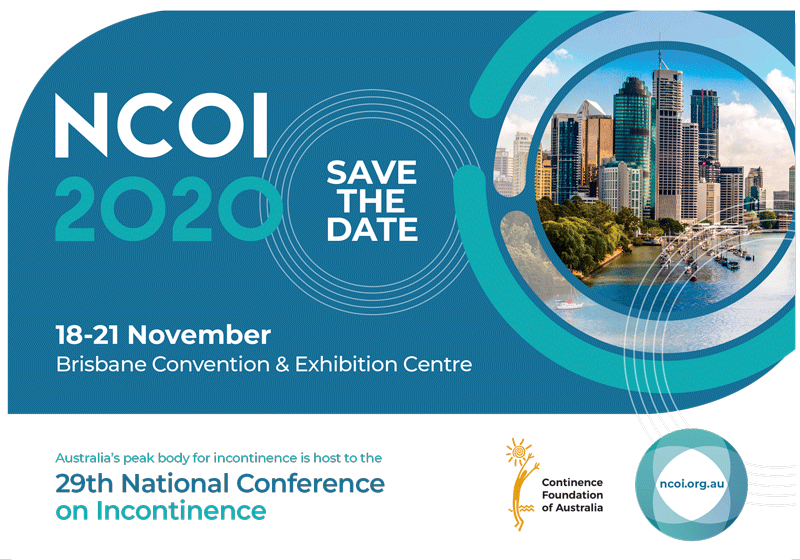
Peta and I at IUGA in The Hague in 2023 The NCOI2020 Conference banner we co-convened
Climate and Health
Five years ago, I co-convened the Continence Health Australia’s Conference on Incontinence with Dr Peta Higgs, Urogynaecologist. We wanted a speaker within that conference to talk about the impacts of climate change on Women’s Health. We had to fight to have that topic included in the programme, but thankfully it was included and I am posting the background report again below to remind you about the health consequences of ignoring the climate crisis. We all do so at our physical peril.
Dr David King, a GP in Brisbane, who was proactive on climate issues, presented this document which was written by Dr Kristine Barnden, an Obstetrician and Gynaecologist in Tasmania in 2020. I posted it with permission in 2021 and I am re-posting it below to remind us all about the diabolical consequences of dismissing the climate crisis as a myth. Of course being 5 years old, there will be many articles that have since been produced which add to the evidence provided in this article.
The report by Dr Kristine Barnden:
Humanity has never before faced a problem like climate change. Our collective failure to act has been attributed to our inability to grasp how our everyday activities can cause the world to heat, and from our failure to appreciate how a heating planet will materially affect our own lives.
The climate has always changed but in human history change has never been this fast or this extreme. We are seeing more frequent and more severe extreme weather events, worsening pollution of air and water, a reversal of gains in public health, food and water insecurity, increasing global conflict, and an exacerbation of inequality.
Women’s Health and Climate Change – background information
The health impacts of climate change affect everyone. In many cases, women are particularly vulnerable, either due to physiological factors, or due to existing health and socio-economic inequities(1,2), which are in turn likely to be exacerbated by the economic impacts of climate change. Predicted health impacts of climate change include:
- more frequent and intense heat waves resulting in more heart attacks, strokes, accidents, heat exhaustion and death
- more frequent or intense extreme weather events—particularly storms, floods and cyclones— resulting in more injuries, deaths and post-traumatic stress
- more fires increasing the number of cases of smoke-induced asthma attacks, burns and death
- more exposure to some air pollutants and air-borne allergens, such as pollens and moulds, exacerbating respiratory illnesses, such as asthma, hay fever and longer-term heart and lung diseases
- changed rainfall patterns and hotter temperatures increasing the spread and activity of disease- transmitting mosquitoes and increasing the chances of food-borne infections
- a higher prevalence of mental health problems and lower morale, especially in rural communities
- changed rainfall patterns and hotter temperatures leading to reduced supply and increased prices of some foods, resulting in reduced nutrition
- displacement of people from within and outside of Australia and community-wide negative effects on social and economic wellbeing
- increased pressure on health systems and emergency responses delaying effective delivery of health care (3)
- Exposure to high ambient temperatures in pregnancy has a dose response effect on rates of both preterm birth and stillbirth. For example:
- A study published in December 2019 looking at 56 million births in the USA between 1969 and 1988 found about 5% more children are born on unpredictably hot 90 degree-plus Fahrenheit (32°C) days than would be expected. The average loss due to heat was about six days of gestation, but the losses were potentially as large as two weeks for some births. (4)
- A US group found a 10% change in the risk of stillbirth(5) and an 8.6% increase in preterm birth(6) for every 10°F (5.6°C) rise in apparent temperature.
- A Canadian study found that the odds of stillbirth after 37 weeks gestation were 16% higher at 28°C compared to 20°C, and stillbirths attributed to maternal complications were 46% higher for the same temperature difference.(7)
- An Australian study looking at windows of exposure to heat found relationships between preterm birth and heat wave exposure in all months of pregnancy. Earlier gestational months seemed to be key exposure windows for heat-wave–affected stillbirth.(8)
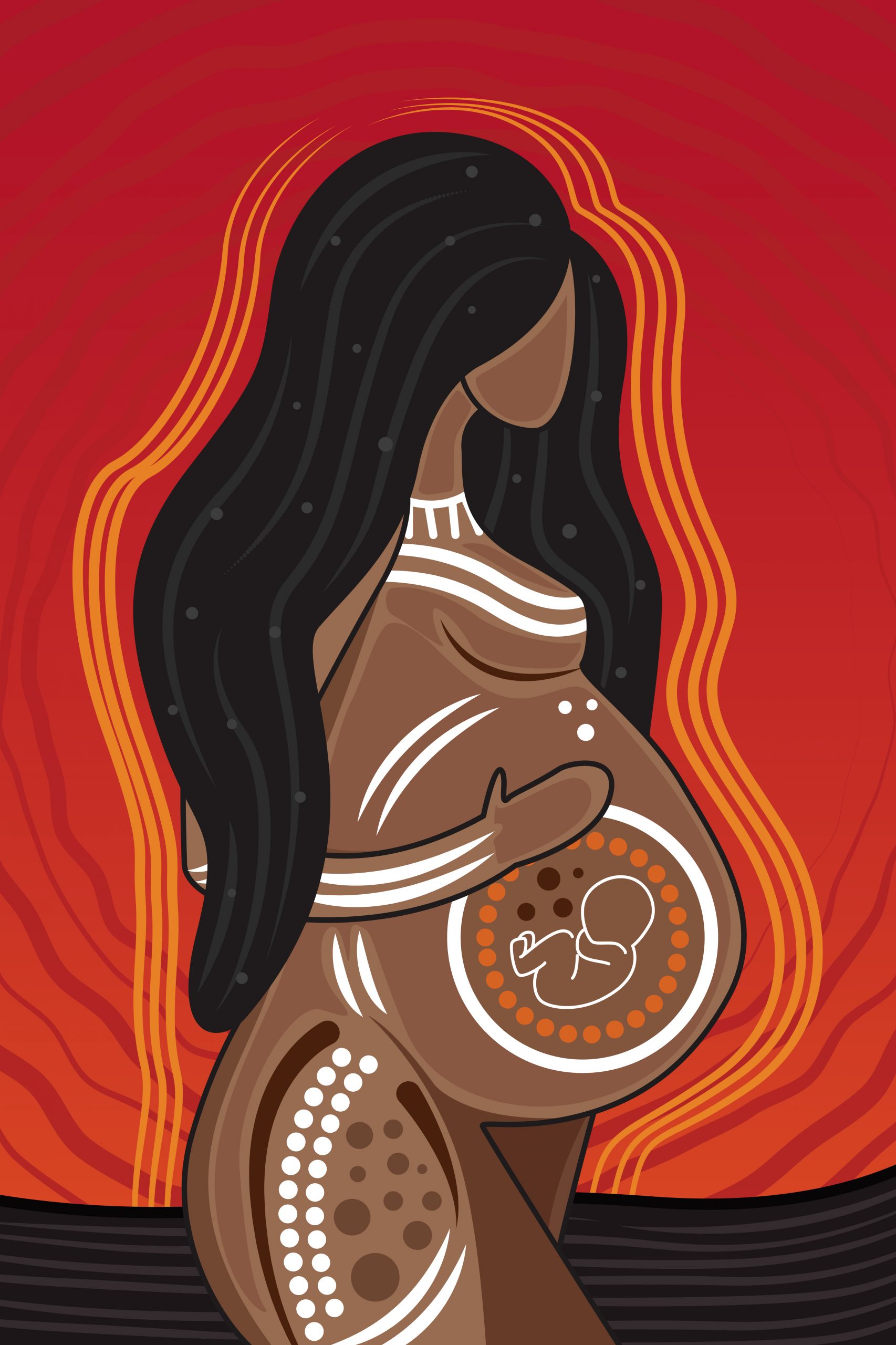
Some facts:
- A number of studies have linked heat exposure to low birth weight for gestational age. For example, the chance of LBW at term was found to be 2.5x higher when average temperatures during the second and/or third trimesters were above the 95th percentile.(9)
- Pregnant women have impaired thermoregulation and an impaired physiological response to heat stress, and as such are vulnerable to all potential medical complications of heat exposure. A US study looking at the effects of exposure of extreme heat (temperature >3SD above the monthly average) found that for every day spent in extreme heat there was an additional 4.8% risk of hospitalisation for second trimester exposure, and 3% increased risk for third trimester exposure.(10)
- The stagnant conditions associated with heatwaves tend to boost air pollution. Exposure to air pollution in pregnancy has been linked to increased rates of miscarriage, preterm birth, fetal growth restriction, hypertensive disorder of pregnancy and gestational diabetes. Exposure to air pollution in utero and in infancy has also been linked to increased infant mortality, poor lung development, adverse neurodevelopmental outcomes, and childhood cancer.(11) Women and children are generally more susceptible to the harmful effects of environmental toxins and pollutants.(12) Air pollution affects the body through direct toxicity, often due to chemical elements attached to the fine particles, or by causing inflammation that can affect organs throughout the body. Concerning for pregnancy, air pollution can damage or alter DNA.(13) Air pollution particles have been found on the fetal side of the placenta.(14)
- Bushire smoke is likely to be similar to other forms of air pollution in its effects, although it has been less comprehensively studied. A Colorado study of over 500,000 exposed pregnancies found an increased risk of preterm birth, particularly for second trimester exposure. For a woman whose second trimester coincided with the peak wildfire season, and with average levels of exposure to smoke, the odds of preterm birth were increased by 7%. First trimester exposure was associated with low birth weight, gestational diabetes, and gestational hypertension.(15)
- Studies on the effects of heat and air pollution on pregnancy have looked at each in isolation, controlling for other variables. Population studies have been unable to assess the degree to which access to air-conditioning protects from hot conditions and dilutes the magnitude of the heat effect. In reality, extreme levels of heat and air pollution (whether bushfire smoke or generated by fossil fuel use) tend to occur together. Women who are most likely to be exposed to extreme levels of heat and air pollution are those who are already socio-economically disadvantaged, and already with numerous other risk factors for adverse pregnancy outcome.
- Globally, women are more likely than men to be affected by extreme weather events. The more extreme the event, and the greater the level of socio-economic inequality, the greater the gender disparity. Women and children are 14 times more likely than men to die during a disaster, and women make up upwards of 80% of climate refugees.(16)
- Human trafficking, and levels of sexual and gendered violence, increase during and after natural disasters. In Australia, rates of domestic violence have been shown to rise sharply in the aftermath of natural disasters.(16)
- Health and economic co-benefits of climate mitigation—the benefits achieved through reductions in levels of air pollution and pollution-related disease—significantly outweigh the costs of mitigation.(17)
- The promotion of women’s and girls’ education, health and reproductive rights has environmental co-benefits. Environmental benefits mainly derive from slowed population growth,(18) but studies show that women are more likely than men to accept climate change science, be more willing to make sacrifices to reduce emissions, and are more likely to exhibit environmentally sustainable behaviour. (15) Indigenous women are at the forefront of local and global efforts to protect and defend the socio-ecological diversity of their lands, and hold unique and invaluable traditional ecological knowledge, as well as spiritual and philosophical understandings critical to healing and maintenance of the Earth’s climate and cycles.(16)
- Every day, we care for women whose health is severely impacted by smoking, physical inactivity, poor nutrition and poor mental health. Bushfire smoke in Sydney this summer has seen air pollution levels to the equivalent of smoking 34 cigarettes per day, with levels even higher for people closer to the fires.(19) Outdoor exercise is unhealthy in times of high heat and air pollution. Climate change is predicted to have significant impacts on food production, and fresh food will become increasingly expensive. The effects of climate change on mental health are likely to be significant.(20) It seems futile for health professionals to counsel women on the risks of “lifestyle behaviours” without addressing underlying systemic and climate factors.
- Advancing women’s rights and the leadership roles of women can help resolve the global climate and environmental crisis. In the words of Mary Robinson, ex-Irish President and UN Special Envoy on climate change, “climate change is a man-made problem with a feminist solution”.(21) Taking a leading role in lobbying for action on climate change is in perfect alignment with RANZCOG’s role in advocating for women’s health, reproductive rights, and leadership.
- Obstetricians can lead in the following ways:
- By educating women about the dangers posed to pregnancy by bushfire smoke, air pollution, and heat.
- By public health advocacy for community and health system adaptation to the health effects of climate change, and for mitigation of climate change through policies that result in a decrease in greenhouse gas emissions.
- By being more aware of their personal carbon footprint.
- By helping to address issues of greenhouse gas emissions, waste, and energy efficiency in the health system
- It is increasingly recognized that hospitals and healthcare have a significant impact on environmental health. In Australia, the healthcare system is responsible for up to 7% of national greenhouse gas emissions, as well as significant quantities of waste and water usage. The Sustainable Development Unit in the UK has led the way in demonstrating how health system reforms can make an impact: the NHS reduced greenhouse gas emissions by 11 per cent between 2007 and 2015, even with an 18 per cent increase in healthcare activity. This resulted in an estimated saving of 90 million pounds ($155 million AUD) annually.(22) Effective management of waste can provide opportunities to reduce operational costs and the environmental impacts of an organisation as well as reducing risks to staff and patients.(23)
Thanks again to Kristine for the work in writing this report in 2020. The references are at the end of this blog.
Abandoning Net Zero: The New Climate Battle
After so many years of endless climate decision failures and indecision about the best path to take, there has been another turnaround by politicians on the conservative side of politics to abandon the concept of Net Zero.
“‘Net zero’ refers to a balance between the emissions we produce, and the emissions we can take out of the atmosphere. In order to have an overall (or ‘net’) balance of zero, we must ensure that one does not exceed the other.” (24)
“It came out of the Paris Agreement (signed by governments on 12 December 2015) and which entered into force on 4 November 2016. Its overarching goal is to hold “the increase in the global average temperature to well below 2°C above pre-industrial levels” and pursue efforts “to limit the temperature increase to 1.5°C above pre-industrial levels.” The Paris Agreement is a landmark in the multilateral climate change process because, for the first time, a binding agreement brings all nations together to combat climate change and adapt to its effects.” (25)
It behoves us all to try and understand more about these complex climate facts because it is our lives and our childrens lives that will suffer if we just succumb to the ‘I’ve got no time or interest in learning more, of analysing more’ mentality.
Some politicians in Australia are becoming emboldened by the chaos coming out of the USA. They are seeing that many over there are getting away with fiddling with facts and saying anything that fits their narrative. Sadly most of the general population is too busy trying to survive the cost-of-living difficulties or just plain lazy at placing adequate scruitiny over the words from our politicians. Science is suffering. The world is suffering.
A key sentence on the United Nations Climate Change website to me says it all.
Science provides the foundation for understanding climate change and informing policy under the UNFCCC.
Please think about the consequences to our health as outlined by Kristine and think about why climate science matters and try not not to feel that it is all just too hard.
References:
(1)Sorensen C, Murray V, Lemery J, Balbus J (2018) Climate change and women’s health: Impacts and policy directions. PLoS Med 15(7): e1002603. https://doi.org/10.1371/journal.pmed.1002603
(2) Australian Women’s health Network 2014, The Impact on Women’s health of Climatic and Economic Disaster, www.awhn.org.au
(3) Doctors for the Environment Australia, Climate Change and Health in Australia, Factsheet, 2016. https://www.dea.org.au/wp-content/uploads/2017/02/DEA_Climate_Change__Health_Fact_Sheet_final.pdf
(4) Barreca A, Schaller J, The impact of high ambient temperatures on delivery timing and gestational lengths, Nature Climate Change, 2019, https://doi.org/10.1038/s41558-019-0632-4
(5) Basu R, Sarovar V, Malig B, Association Between High Ambient Temperature and Risk of Stillbirth in CaliforniaAm J Epidemiol. 2016;183(10):894–901
(6) Basu R, Malig B, Ostro B, High Ambient Temperature and the Risk of Preterm DeliveryAm J Epidemiol 2010;172:1108–1117
(7) Nathalie Auger, William D Fraser, Audrey Smargiassi, Marianne Bilodeau-Bertrand, Tom Kosatsky, Elevated outdoor temperatures and risk of stillbirth, International Journal of Epidemiology, Volume 46, Issue 1, February 2017, Pages 200–208, https://doi.org/10.1093/ije/dyw077
(8) Wang J, Williams G, Pan X, Exposure to Heat Wave during Pregnancy and Adverse Birth Outcomes. Epidemiology 2019;30: S115–S121
(9) Ha S, Zhu Y, Liu D, Sherman S, Mendola P. 2017. Ambient temperature and air quality in relation to small for gestational age and term low birthweight. Environ Res155:394–400, PMID: 28258738, 10.1016/j.envres.2017.02.021.
(10) Kim J, Lee A, Rossin-Slater M, What to Expect When It Gets Hotter: The Impacts of Prenatal Exposure to Extreme Heat on Maternal and Infant Health. NBER Working Paper No. 26384
October 2019
(11)Air pollution and child health: prescribing clean air World Health Organisation 2018
(12) https://www.wecaninternational.org/why-women
(13) Schraufnagel DE et al. Air Pollution and Noncommunicable Diseases: A Review by the Forum of International Respiratory Societies’ Environmental Committee, Part 2: Air Pollution and Organ Systems. Chest. 2019 Feb;155(2):417-426.
(14) Bové, H., Bongaerts, E., Slenders, E. et al. Ambient black carbon particles reach the fetal side of human placenta. Nat Commun 10,3866 (2019) doi:10.1038/s41467-019-11654-3
(15) Abdo M et al. Impact of Wildfire Smoke on Adverse Pregnancy Outcomes in Colorado, 2007–2015. Int. J. Environ. Res. Public Health 2019, 16(19), 3720
(16) Parkinson D and Zara C. The hidden disaster: domestic violence in the aftermath of natural disaster Australian Journal of Emergency Management Volume 28, No. 2, April 2013
(17) Markandya A, Sampedro J, Smith SJ, et al. Do health co-benefits compensate the economic costs of the Paris climate agreement? Lancet Planetary Health 2018; 2: e126–33.
(19) https://www.bbc.com/news/world-australia-50497492
(20) Hayes, K., Blashki, G., Wiseman, J. et al. Climate change and mental health: risks, impacts and priority actions. Int J Ment Health Syst 12, 28 (2018) doi:10.1186/s13033-018-0210-6
(21)https://www.reuters.com/article/us-global-climatechange-women/climate-change-a-man-made-problem-with-a-feminist-solution-says-robinson-idUSKBN1JE2IN
(22) https://ama.com.au/ausmed/healthcare-sector-can-address-carbon-emissions
(23) https://www2.health.vic.gov.au/hospitals-and-health-services/planning-infrastructure/sustainability/waste
(24) https://www.csiro.au/en/news/all/articles/2021/october/net-zero-emissions-explained